Consensus Mechanisms: From Competition to Peer Collaboration

At a technology selection meeting, security, energy use and cost sit side by side on the same slide and almost always fight: more security means more expense, and more economy means leaning harder on some centre. The argument usually circles back to the same question — what is consensus actually solving?

Continue reading Consensus Mechanisms: From Competition to Peer Collaboration

Digital Asset Rights: Definable, Transferable, Traceable

An enterprise inventorying its data assets usually gets stuck on the same point, and it is not “how much data do we have”. It is “whose asset is this data anyway”. The same problem is plainer on the creator’s side: a work can be copied without limit and forwarded in a second, yet which system can say who it belongs to?

Continue reading Digital Asset Rights: Definable, Transferable, Traceable

Reading Web3’s Industrial Shift at Token2049

Paralism was invited to Token2049 in Singapore. Across the event, the centre of gravity moved visibly from concepts to delivery: discussion of sustainable infrastructure, cross-chain interoperability, and AI and data collaboration clearly increased, and the share of institutional and industry participants rose with it.

Continue reading Reading Web3’s Industrial Shift at Token2049

The Aggregation of Web3.0: Protocol-Agnostic and AggLayer

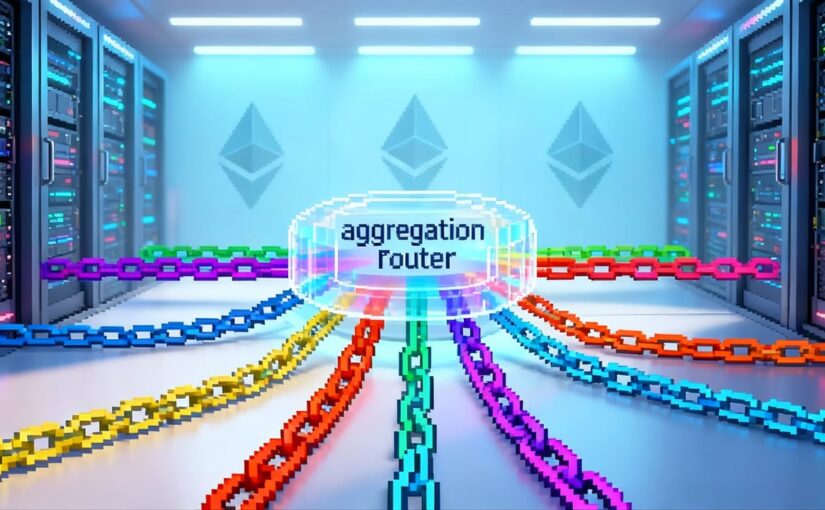
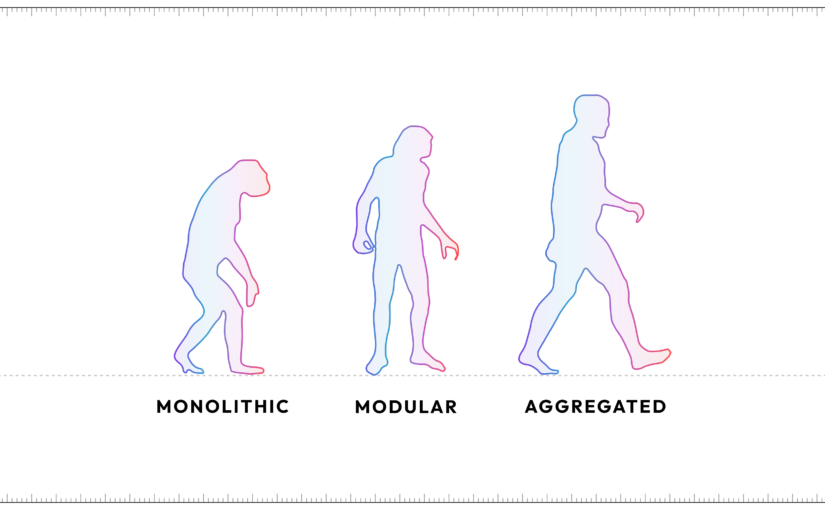
In our previous analysis of popular projects, we discussed Polygon’s AggLayer, which is quite similar to Paralism’s Protocol-Agnostic concept. Both are exploring how to aggregate existing blockchains, users, and liquidity to form a unified entry point into Web3, thereby breaking down the isolated ecosystems barriers.

Continue reading The Aggregation of Web3.0: Protocol-Agnostic and AggLayer

Cross-Chain Interoperability: From Islands to a Unified Entry

One chain has the best lending protocol; another has the liveliest creator marketplace. A user wants both and discovers they have to “move house” first: migrate assets from one side to the other, pay a fee, wait, and carry the risk that the bridge breaks — a cost Paralism’s parallel structure is designed to take out of the picture.

Continue reading Cross-Chain Interoperability: From Islands to a Unified Entry

Overview of Web3.0 Fundraising in August

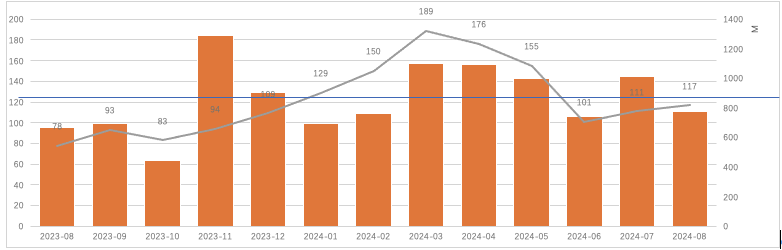
In August 2024, Web3.0 projects completed a total of 117 financing rounds, raising approximately $777 million, which is lower than the monthly average over the past year (around $867 million, shown by the blue line in the chart below). The market experienced significant fluctuations in August, and the capital market was also affected. However, the situation is still better compared to the same period last year.

Data resource: https://www.rootdata.com/
Continue reading Overview of Web3.0 Fundraising in August

Popular Project Analysis: Polygon

On August 22, Polygon announced that it will upgrade its mainnet on September 4 and migrant its native token Matic to POL. Subsequently, several major exchanges announced their support for this upgrade, delisting Matic and listing POL. As a result, Polygon has once again come into the public eye. Over the past year, BTC rose from over $20,000 to over $70,000 at its peak, while Matic increased from over $0.50 to $1.20 but has recently fallen below $0.50. As an Ethereum Layer 2 solution dedicated to addressing scalability issues, Polygon’s past achievements are undeniable. Even during the bear market of 2022 and 2023, it saw the second-largest increase in developer numbers just after Ethereum.

So, let’s take this opportunity to study Polygon once again.

Continue reading Popular Project Analysis: Polygon
Why Asset Rights-Tracking Took the Stage at a Digital Economy Forum

A packed international forum on the digital economy and industrial digitalisation ran through a full agenda. What stayed with the room afterwards was not any single conclusion but a shift in where the discussion had moved: a few years ago the headline word at events like this was “on-chain”, and this time it was “asset rights” and “trustworthy infrastructure” — the questions Paralism’s parallel foundation is built to answer.

Continue reading Why Asset Rights-Tracking Took the Stage at a Digital Economy Forum